Emergency Services Academy Lahore official portal for cadet enrollment, training records, attendance, assessment and administrative reporting.
Submit from phone, tablet, or laptop.
Unique CNIC and email are required.
Approved enrollments move to cadets.
cadets enrolled
active trainees
instructors
certified mentors
training modules
scenario-based
attendance
operational
Designed for Emergency Services Academy Lahore — from induction to deployment.
Automated enrollment, medical vault, roll numbers & batch tracking tailored for Rescue 1122.
Instant drill creation, QR check‑in, compliance heatmaps & sub‑skill analytics.
Map certifications, leaves and cover instructors in one interactive view.
Secure uploads, submission review and private disk per cadet batch.
Module heatmaps, training timelines and early alert for commanders.
Live dashboards: deployment rosters, attendance anomalies, incident alerts.


Live tiles, critical notifications and responsive calls to action – all reflecting the real‑time academy pulse. Optimized for phones, tablets and widescreens.
Batch assignment, roll generation, document verification.
Schedule drills, attach instructors, track sub-skills.
Assignments, quizzes and submission reviews.
Readiness dashboards, certification gaps, rosters.
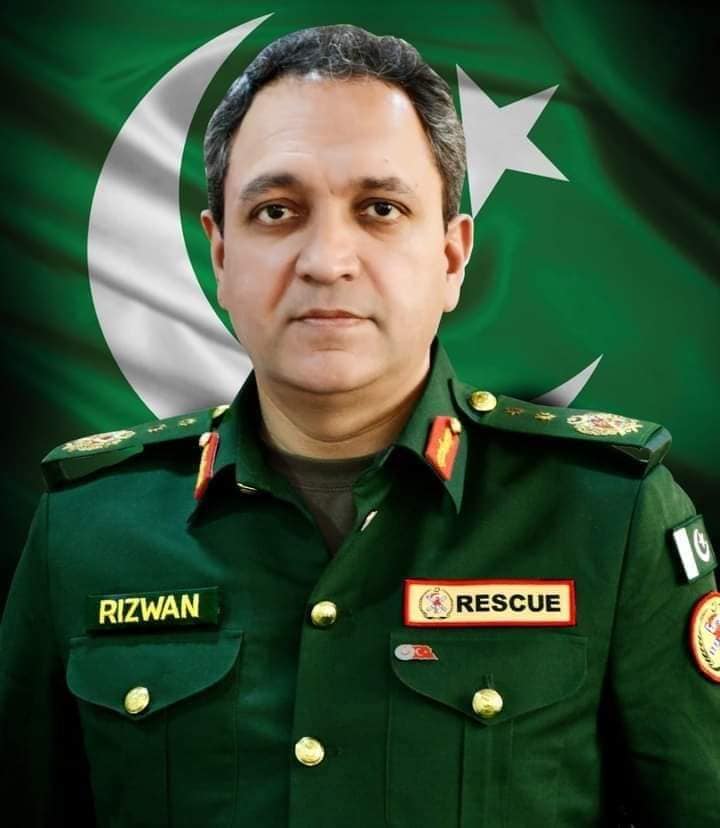
Academy Leadership
Founder / Rector
Emergency Services Academy Lahore
Official ESA Portal
This website is the official Cadet Management System of Emergency Services Academy Lahore. It is used for cadet enrollment, training records, attendance, assessments, lifecycle actions and administrative reporting.
Academy Training Programs
Emergency Services Academy Lahore provides practical, scenario-based training modules for cadets and rescue personnel.

Operational fire response, hose handling, protective equipment and controlled suppression drills.

Rescue techniques, team movement, safety coordination and emergency response in water environments.

Practical training in rope systems, safe lifting, lowering and rescuing a casualty from height using a rescue dolly.

Initial assessment, basic life support, casualty handling and field response procedures.

Team deployment, incident control, operational discipline and coordinated emergency response.

Preparedness, prevention, public safety education and community emergency response orientation.